LF logo
by learnformula
search
LearnFormula BusinessLog in
search
Courses/Law/Legal Ethics

Boundaries & Ethics: Handling Hard Clients

Stop the burnout cycle and protect your practice by mastering the art of setting professional limits with challenging clients.
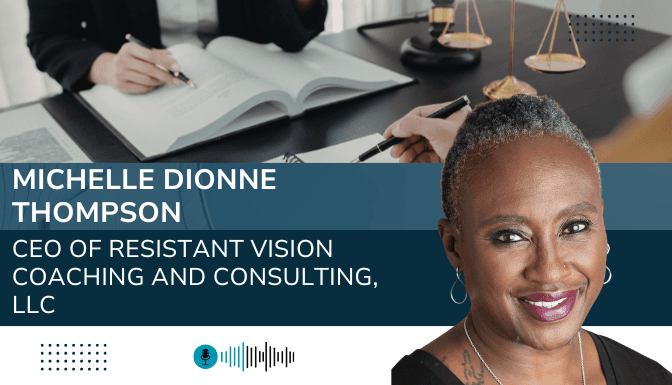
Created byMichelle Dionne Thompson
BeginnerUpdated Apr 23, 2026
Boundaries & Ethics: Handling Hard Clients

What You'll Learn

check_circleIdentify the characteristics of demanding, difficult, and boundary-crossing clients and assess how their conduct can affect a lawyer’s professional responsibilities.
check_circleRecognize ethical risks that arise when managing challenging client relationships, including pressures that may lead to improper communication or professional misconduct.
check_circleApply practical strategies for setting expectations, enforcing boundaries, and maintaining effective attorney-client communication.
check_circleUse sample scripts and response techniques to address challenging client behavior in an ethical, respectful, and professionally appropriate manner.

About This Course

In this CLE, we will walk through 3 different types of clients:

  • Demanding clients - the clients who use AI to make sure you're doing your job as a lawyer and therefore impose lots of work that doesn't correspond to their case;
  • Difficult clients - these are clients who are rude to you and your staff, and likely don't provide feedback and return documents in a timely manner; and
  • Clients who ignore your rules - these are clients who contact you well after business hours, call repeatedly, insists on only speaking with you.

You likely have some version of all three of these clients in your practice and they can undermine how you do your job. When pushed, you actually consider ethical breaches for some peace and quiet.

Over one hour, we will review the ethics of dealing with these clients and how to manage them in ways that don't compromise your license.

Finally, this CLE will include scripts and practices to deal with these clients in a way that is ethical and respectful.

Your Instructor

Michelle Dionne Thompson

CEO | Resistant Vision Coaching and Consulting, LLC

menu_book1 courses

Michelle Thompson, J.D., Ph.D. is the CEO of Resistant Vision Coaching and Consulting. She helps women lawyers and academics who work extreme hours to prove their prowess, build sustainable careers and earn promotions and raises. Her approach is based on the belief that if you never set boundaries for yourself, you will always be overworking, stuck on the hamster wheel of producing more results, and losing sleep because you're always worried about clients, jobs, or the next deadline (never mind tenure or making partner!) and therefore not enjoying your life and building the community and connection you seek. With almost 3 decades in law and academia and over 5 years of experience as a professional coach, Michelle helps her clients achieve professional sanity with a variety of embodied techniques that combine left and right brain strategies, from emotional freedom technique (tapping) to strategic planning.

Credit Information

What Students Are Saying

0.0
Student's Choice
0 reviews

Frequently Asked Questions

We are a registered provider with 327+ associations and regulatory bodies worldwide. We operate across 29 global markets including Canada, the US, Australia, and the UK. Every course page clearly displays its specific accreditations. Upon completion, you receive a professional certificate that can be validated online. Our certificates include all necessary accreditation details, credit hours, and completion dates, and are formatted specifically to meet the submission requirements of most global regulatory bodies.

You May Also Like

Human Resources: Workforce Planning and Talent Management

Why Your Best Employees Keep Leaving and What HR Can Do About It

star5.0(2)
1 CPD hr
Communication: Business Communication

Master the Science of Workplace Influence and Persuasion

star5.0(9)
3 CPD hrs
Health Safety Welfare: Health Safety Welfare - General

Employer's Handbook for Emergency Response Planning and Evacuation Procedures

1 CPD hr