Transform geriatric care by mastering early screening tools and targeted interventions to prevent malnutrition, preserve independence, and optimize health outcomes in older adults.
Nutrition plays a vital role in maintaining health, independence, and recovery in older adults, yet malnutrition and nutrition risk often go unrecognized until significant complications develop. Nurses are ideally placed to identify early signs of nutritional decline and implement timely interventions that improve patient outcomes across acute, aged care, rehabilitation, and community settings.
This practical course explores evidence-based approaches to nutrition risk screening, assessment, and intervention in older adults. Participants will gain practical strategies for using validated screening tools, recognizing common risk factors, supporting multidisciplinary care, and promoting better nutritional and functional outcomes in everyday clinical practice.
Key Topics Discussed:

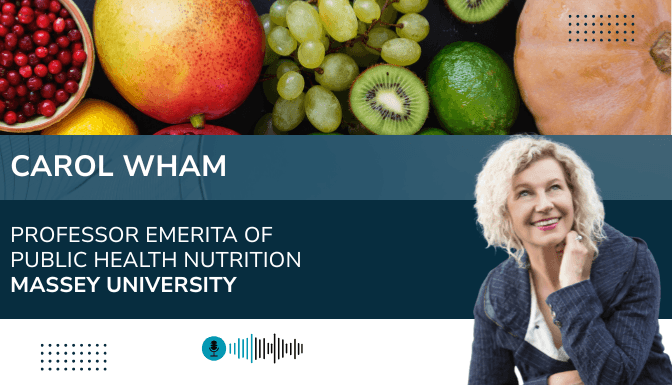
Professor Emerita of Public Health Nutrition | Massey University
Prof Carol Wham is Professor Emerita of Public Health Nutrition at Massey University. She is an experienced dietitian and an Associate Editor of ‘Nutrition and Dietetics’ and ‘Frontiers in Nutrition’ and is a recipient of the prestigious Dietitians New Zealand Award of Excellence in the category of Outstanding Achievement in Dietetics. Carol has undertaken a sustained programme of research focused on improving the nutritional health of older people. She has been an investigator in two longitudinal studies of ageing; Life and Living to Advanced Age: a Cohort Study in New Zealand and within the New Zealand Health, Work and Retirement Study. Carol has examined malnutrition risk factors among older people across community, hospital and residential care settings and led the ENRICH study which seeks to Evaluate Nutrition Risk and Intervene to enCourage Healthy eating. In 2022 Carol was an expert panel member for the development of ‘An evidence-based guide for the identification and nutritional management of malnutrition and frailty in the Australian and New Zealand community’.
